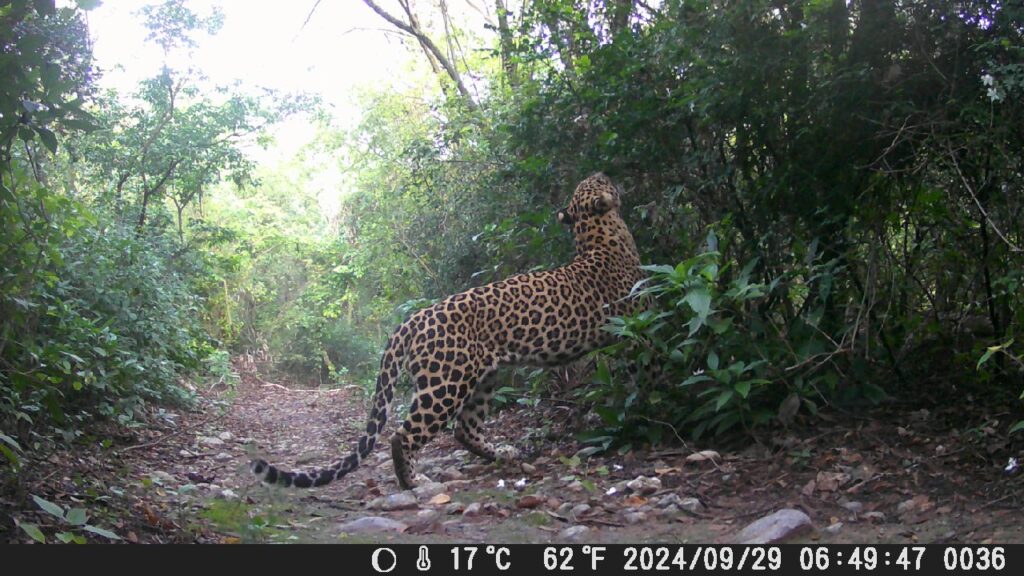
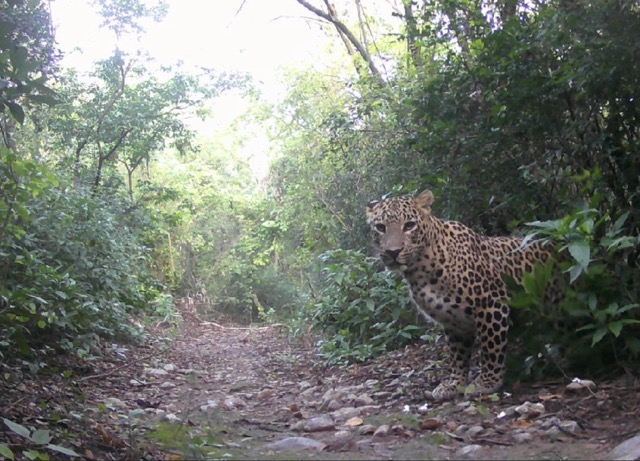
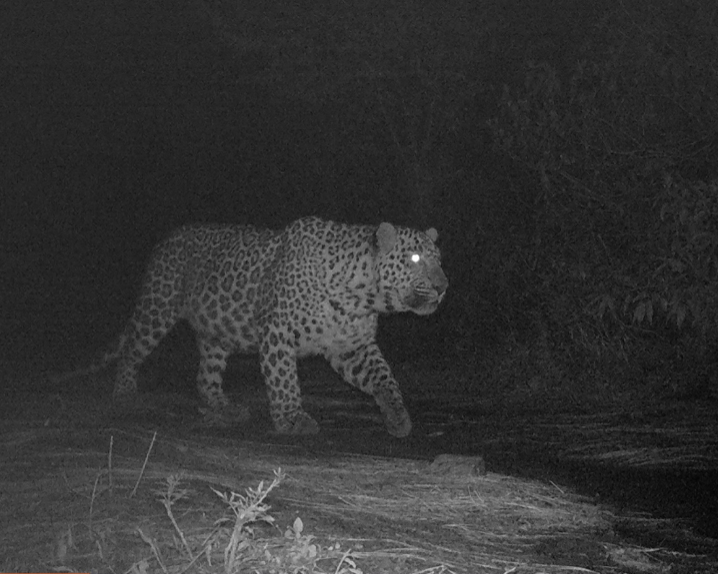
Nestled between the bustling metropolis of Islamabad and the rugged wilderness of the MargallaHills, an unexpected coexistence thrives. The common leopard (Panthera pardus), a majestic and elusive big cat, has found a sanctuary in the Margalla Hills National Park (MHNP)—a testament to successful conservation efforts in an urban-adjacent ecosystem.
A Safe Haven in the Margalla Hills
Declared a National Park in 1980, the Margalla Hills span approximately 17,386 hectares and serve as a vital ecological corridor in lesser himalayas. Over the last few years, strict protection measures, habitat restoration, and anti-poaching efforts have allowed wildlife to flourish. Among the park’s most remarkable residents is the common leopard, a species that has not only survived but thrived in this unique urban-wilderness.
Leopards Adapting to an Urban Jungle
Unlike their counterparts in remote forests, the leopards of Margalla Hills have adapted to living near human settlements. They primarily prey on wild boars, barking deer, monkeys, and livestock (occasionally), maintaining a delicate balance between natural predation and human activity. Remarkably, these leopards have learned to avoid direct conflict with humans, often moving stealthily under the cover of darkness. I have been monitoring this population of Common Leopards since 2018 with Islamabad Wildlife Management Board who is custodian for the protection of Margallah Hills National Park. I always used to hear from local villagers of about the presence of these big cats in the lush green forests of Margallah’s. During early days of my search for these elusive big cats I was always in the look for the signs of Common leopards which included their pugmarks and scats. Common leopards avoid direct human encounters and are very intelligent animals with strong senses. The only method for me to confirm their presence was to rely on camera trapping technique which is a noninvasive technique to study wild animals. I still remember the excitement I had when I first saw the pug marks of leopards in Margallahs and to my surprise they were very close to human settlements. After months of hard work my efforts started yielding results and I got my first captures of these amazing big cats in my camera traps, it was an amazing moment for me and I felt that my hard work had paid off. Upon further data collection a proper scientific survey was planned and executed in 2021 led by Islamabad Wildlife Management Board with support of Himalayan Wildlife Foundation and I was one of the leading team members of this survey. Our results discovered an estimated population of 8 Common leopards in Margallah Hills National Park.
Coexistence in a Growing City
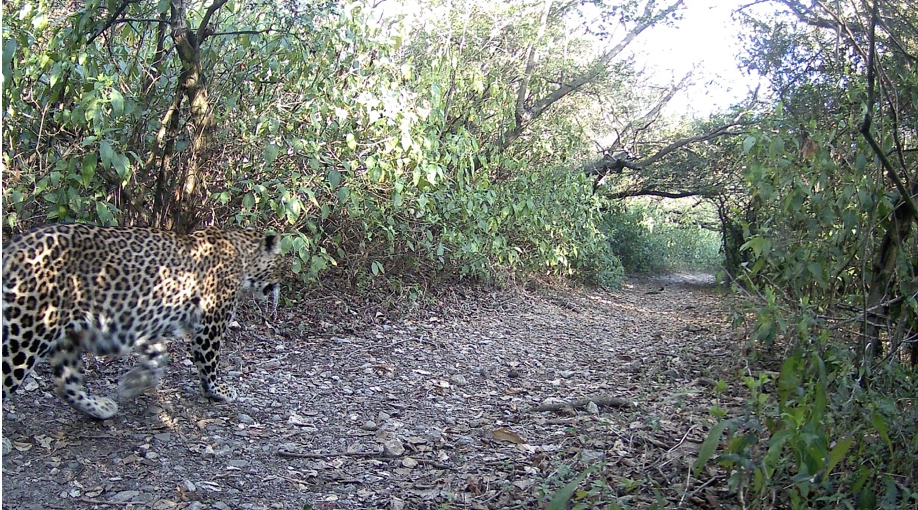
Islamabad, with its 2.4 million residents, continues to expand, yet the leopards persist. Despite their remarkable adaptability, common leopards in Islamabad face several threats that jeopardize their survival. Habitat loss and fragmentation due to urban expansion, illegal construction / encroachments in national park reduce their roaming space and isolate populations. Human-wildlife conflict arises when leopards venture near settlements, leading to retaliatory killings or captures. Poaching for skins and body parts, though less common, remains a risk, while depleting prey due to overhunting and habitat loss forces leopards to rely on livestock, increasing conflict. Additionally, climate change-induced droughts may shrink water sources and disrupt ecosystems. Without sustained conservation efforts, these pressures could push Islamabad’s elusive leopards into decline.
A Symbol of Hope
The presence of leopards in Islamabad is more than just a discovery—it’s proof that humans and wildlife can share space harmoniously. As the city grows, the Margalla Hills stand as a green fortress, safeguarding not just leopards but the very soul of Islamabad’s wilderness. By continuing to protect this delicate balance, Islamabad can remain a rare example of a modern city where big cats still roam free.